Bread Lame vs Knife: Quick Answer
If your goal is clean, controlled scoring, a bread lame generally works better than a knife. Its thin razor blade slices through dough with minimal resistance, while a knife can press or drag the surface. This difference becomes especially noticeable when working with soft or high-hydration dough like sourdough.
Still, the best tool depends on how often you bake and what kind of results you’re aiming for.
Why the Tool You Use Actually Matters
At first glance, scoring bread might seem simple—just cut the dough and bake. But in reality, the tool you use can directly affect how your bread expands in the oven.
During baking, heat causes gases inside the dough to expand rapidly. Without a proper cut, pressure builds and the crust may break in unpredictable places.
A good scoring tool helps you:
-
control where the bread opens
-
improve oven spring
-
keep the loaf shape consistent
-
create a more even crust
That’s why choosing between a bread lame knife and a regular knife isn’t just a small detail—it changes your final result.
What Makes a Bread Lame Different?
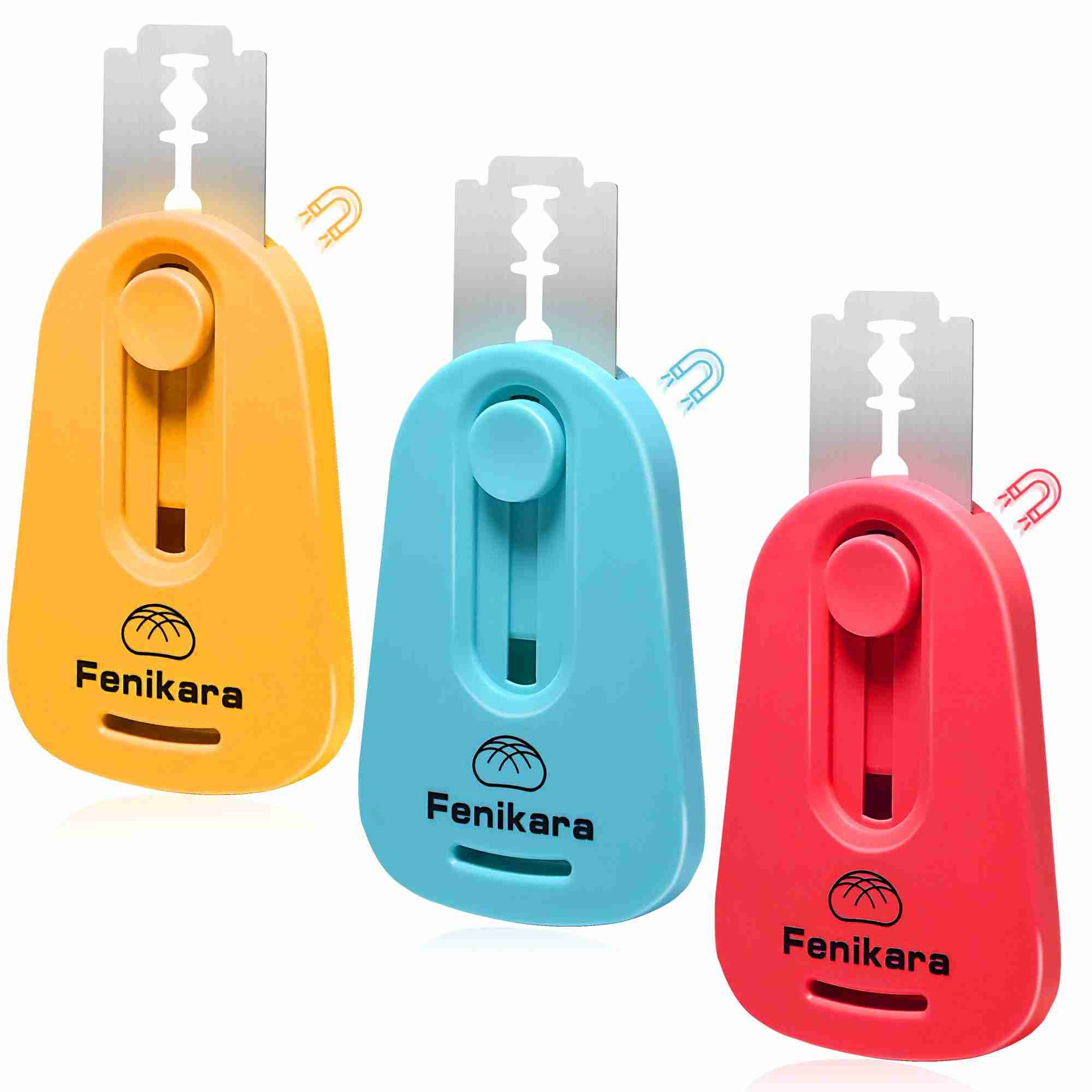
A bread lame is specifically designed for scoring bread dough. It usually holds a razor blade, which is much thinner than a typical kitchen knife.
Because of this design, it can:
-
cut quickly without sticking
-
create sharp, clean lines
-
handle soft dough more easily
Many bakers prefer a bread scoring lame because it feels more precise and requires less force.
How a Knife Behaves on Dough
A knife can technically do the same job, but it behaves differently on dough.
Even a sharp knife has a thicker edge, which can:
-
compress the dough before cutting
-
create uneven lines
-
require more pressure
This doesn’t mean a knife is useless—it just means it’s less specialized for this task.
For firmer dough, a knife can still work reasonably well. But with softer dough, especially sourdough, the difference becomes obvious.
Bread Lame vs Knife: Real Baking Differences
Let’s break down how these two tools compare in real baking situations.
Ease of Use
-
bread lame → light, easy to control
-
knife → heavier, requires more pressure
A bread lame feels more natural for quick scoring motions.
Cutting Cleanliness
-
bread lame → smooth, sharp cuts
-
knife → may drag or stretch dough
Clean cuts are important because they affect how the bread opens in the oven.
Consistency
-
bread lame → more consistent results
-
knife → results can vary
With a knife, small differences in pressure or angle can change the outcome.
Learning Curve
-
bread lame → easier for beginners
-
knife → requires more control
Many beginners actually find bread lames easier once they try them.
When a Knife Might Be Enough
Even though a bread lame is designed for scoring, there are situations where a knife works just fine.
You can use a knife if:
-
your dough is firm and not sticky
-
you only need simple cuts
-
the blade is very sharp
A small, sharp knife usually performs better than a large one.
If you’re baking occasionally, a knife may be enough to get started.
Why Sourdough Changes Everything
Sourdough dough behaves differently from many other types of bread.
It is usually:
-
higher in hydration
-
more elastic
-
more sensitive to handling
Because of this, scoring sourdough requires more precision. A sourdough bread lame works better because it can cut quickly without pulling the dough.
This is one of the main reasons why sourdough bakers almost always prefer a bread lame over a knife.
Technique Still Matters More Than the Tool
Even though tools make a difference, technique plays an even bigger role.
Whether you use a bread lame or a knife, good scoring depends on:
-
timing (score right before baking)
-
speed (quick, confident motion)
-
angle (affects how the bread opens)
-
depth (usually about ¼–½ inch)
A skilled baker can get decent results with a knife, while poor technique can still lead to problems even with a bread lame.
Common Scoring Mistakes (No Matter the Tool)
Many scoring issues are not caused by the tool itself.
Here are some common problems:
Dragging or Tearing
Usually happens when:
-
the blade is dull
-
the dough is too warm
-
the cut is too slow
Cuts Not Opening
This can happen if:
-
the dough is overproofed
-
the cut is too shallow
-
surface tension is weak
Uneven Expansion
Often caused by:
-
inconsistent scoring depth
-
poor shaping
-
uneven dough structure
Fixing these issues often matters more than switching tools.
Bread Lame or Knife: Which Should You Choose?
Choosing between a bread lame and a knife depends on your baking habits.
Choose a Bread Lame If You:
-
bake sourdough regularly
-
want cleaner, more consistent results
-
enjoy artisan-style bread
-
want better control over scoring
Choose a Knife If You:
-
bake occasionally
-
prefer simple tools
-
work with firmer dough
-
don’t need detailed scoring
Does a Bread Lame Really Make a Difference?
For many bakers, the difference becomes clear after just a few uses.
A bread lame doesn’t just improve how the bread looks—it also makes the scoring process feel easier and more predictable.
Instead of forcing the cut, the blade simply glides through the dough.
That small difference can make baking more enjoyable and less frustrating.
Final Thoughts
When comparing bread lame vs knife, both tools can be used to score bread, but they are not equal.
A bread lame is designed specifically for this task, making it easier to create clean cuts and control how the bread expands in the oven. A knife can still work, especially for simple baking, but it may require more effort and practice.
If you’re serious about improving your bread scoring—especially for sourdough—a bread lame is often the more reliable and consistent choice.
Over time, the right tool combined with good technique will help you get better results with every bake.