Introduction: What Is a Bread Lame and Why It Matters
A bread lame is a simple tool used to score dough before baking. Scoring helps bread expand properly in the oven, creates a beautiful crust, and prevents random cracks. If you bake sourdough or artisan bread at home, learning how to use a bread lame can instantly improve both the look and texture of your bread.
This guide explains what a bread lame is, how it works, how to use it correctly, and what to do if you don’t have one.
What Is a Bread Lame?
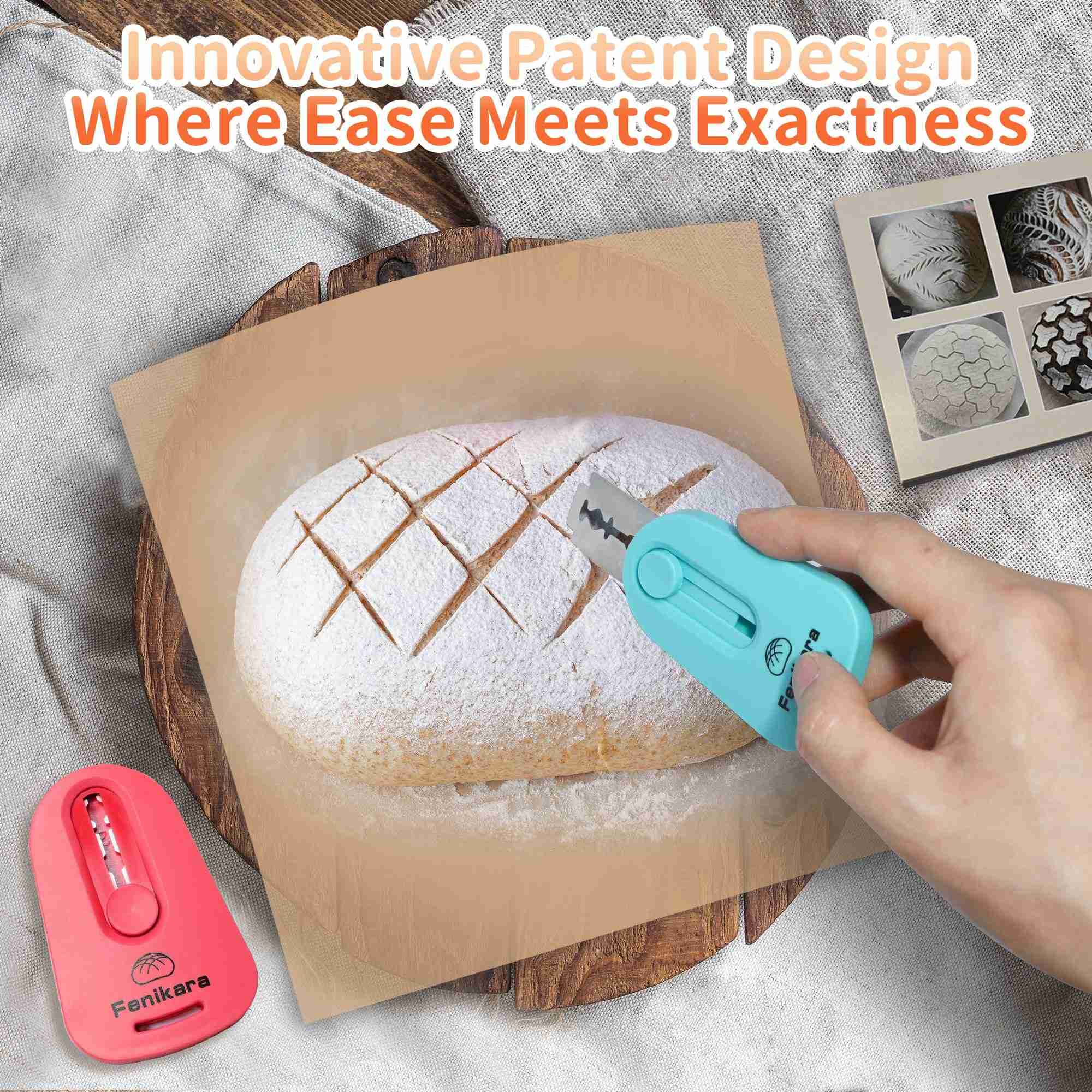
A bread lame (pronounced lahm) is a bread scoring tool that holds a razor blade. Bakers use it to make shallow cuts on the surface of dough right before baking.
What Is a Bread Lame Used For?
A bread lame is used to:
-
Control how bread expands in the oven
-
Prevent unwanted cracks on the crust
-
Create clean, intentional scoring patterns
-
Improve oven spring and crust texture
In simple terms, it gives your bread a planned “release point” so it rises where you want it to.
Why Scoring Bread Is Important
When bread enters a hot oven, trapped gases expand quickly. If the dough has no weak spot, it will burst unpredictably.
Scoring with a bread lame helps by:
-
Guiding expansion in a specific direction
-
Improving crumb structure inside the loaf
-
Creating a crisp, well-shaped crust
-
Enhancing the overall appearance
This is especially important for sourdough bread, which has strong gluten structure and high oven spring.
Bread Lame vs Knife: What’s the Difference?
Many beginners ask whether they can use a regular knife instead of a bread lame.
Bread Lame
-
Ultra-sharp razor blade
-
Thin and precise cuts
-
Minimal dough drag
-
Clean scoring lines
Knife
-
Thicker edge
-
Often drags or tears dough
-
Harder to control depth
-
Less consistent results
A bread lame knife allows faster, cleaner scoring with less pressure, especially on high-hydration dough.
How to Use a Bread Lame (Step-by-Step)
Step 1: Prepare Your Dough
Before scoring, make sure your dough is:
-
Fully proofed (not under- or over-proofed)
-
Cold dough is easier to score (especially sourdough)
-
Lightly dusted with flour to prevent sticking
Step 2: Hold the Bread Lame Correctly
Hold the lame like a pen or at a slight angle, depending on the cut you want.
-
Straight cuts: blade at about 90°
-
Ear-style cuts: blade at 30–45°
Do not press too hard—let the blade do the work.
Step 3: Make Confident, Fast Cuts
One smooth motion is better than multiple shallow strokes.
-
Cut depth: about ¼ to ½ inch
-
Avoid sawing motions
-
Commit to the cut
Hesitation causes dragging and uneven edges.
How to Score Sourdough Bread with a Lame
Scoring sourdough is slightly different from scoring yeasted bread.
Best Practices for Sourdough Scoring
-
Chill dough before scoring
-
Use fewer, deeper cuts
-
Focus on one main expansion line
-
Keep the blade angled for an “ear”
A single long score often works better than complex designs for beginners.
Common Bread Scoring Patterns
Different scoring patterns affect how the bread opens.
Simple Patterns
-
Single slash (classic sourdough)
-
Cross pattern
-
Square or box cut
Decorative Patterns
-
Leaf designs
-
Wheat stalks
-
Geometric lines
Decorative scoring should always be shallow and secondary to the main expansion cut.
How to Attach a Blade to a Bread Lame
Many people feel unsure about handling razor blades. It’s easier than it looks.
General Steps
-
Hold the blade by the dull edges
-
Slide or bend it according to the lame design
-
Secure it firmly so it doesn’t move
Always handle blades carefully and store them safely when not in use.
How to Score Bread Without a Lame
If you don’t have a bread lame, you still have options.
Alternatives You Can Use
-
Sharp paring knife (very sharp only)
-
Clean razor blade (with caution)
-
Sharp scissors (for simple snips)
These methods work, but results may not be as clean or consistent.
Common Mistakes When Using a Bread Lame
Cutting Too Shallow
Shallow cuts may seal quickly and fail to guide expansion.
Cutting Too Deep
Overly deep cuts can collapse the dough structure.
Hesitating During the Cut
Slow or hesitant motion causes tearing.
Scoring Overproofed Dough
Overproofed dough lacks tension and won’t open well.
Bread Lame Designs and Styles
Bread lames come in different shapes, each with its own feel.
Straight Lame
-
Best for clean, straight cuts
-
Easy to control
-
Great for beginners
Curved Lame
-
Ideal for creating ears
-
Allows angled cuts
-
Popular for sourdough
UFO-Style Bread Lame
-
Enclosed blade design
-
Added safety
-
Good balance and control
The best bread lame is the one that feels comfortable and gives you confidence.
How to Pronounce “Bread Lame”
Many bakers wonder how to say it correctly.
-
Lame is pronounced “lahm”
-
It comes from French baking tradition
So it’s pronounced “bread lahm,” not “laym.”
Final Thoughts: Mastering Bread Scoring Takes Practice
Using a bread lame isn’t about perfection—it’s about control and confidence. With a sharp blade, proper dough handling, and a few intentional cuts, you can dramatically improve your bread’s shape, crust, and oven spring.
Start simple, practice often, and let your bread tell you what works best.