What Is a Bread Lame?
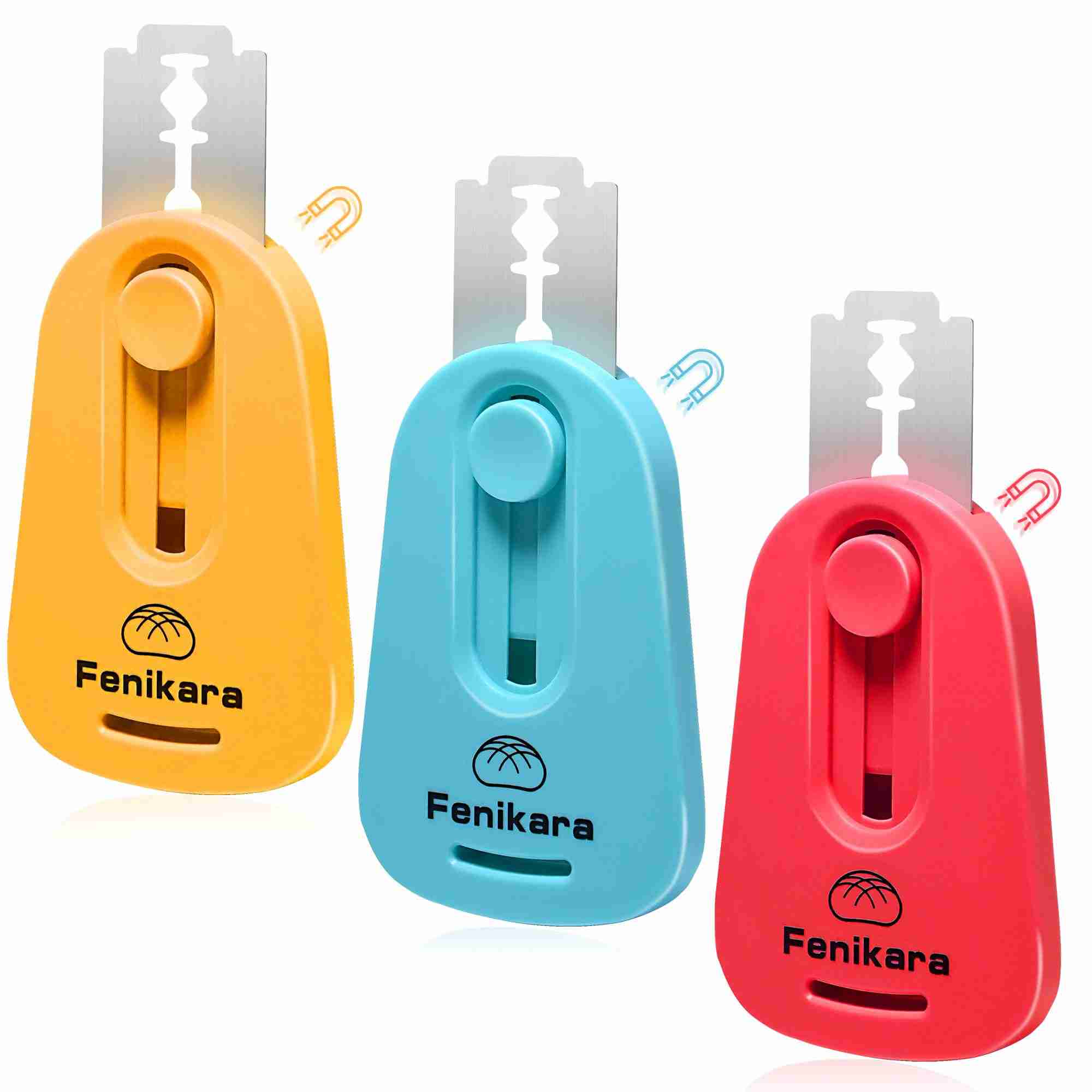
A bread lame is a small razor tool used to score bread dough before baking. Bakers use it to cut the surface of the dough so the loaf can expand properly in the oven. These cuts guide the bread’s rise, improve oven spring, and help create the classic crust patterns seen on artisan sourdough bread.
Although the tool is simple, a bread lame plays an important role in shaping how bread looks and bakes.
Why Bread Dough Needs to Be Scored
Before understanding the bread lame, it helps to know why scoring bread is necessary.
When dough goes into a hot oven, heat causes gases and steam inside the dough to expand rapidly. This expansion pushes against the outer surface of the dough.
If the dough is not scored, the pressure will force the crust to crack in random places. This can lead to:
-
uneven bread shapes
-
torn crust
-
poor oven spring
-
unpredictable expansion
Scoring with a bread scoring lame creates a controlled weak point where the bread can expand safely.
In other words, scoring tells the bread where to open during baking.
Where the Bread Lame Comes From
The word “lame” comes from French baking tradition. It is pronounced “lahm.”
Professional European bakers have used lames for many years when making artisan bread and sourdough loaves. The tool was originally designed to hold a razor blade safely while allowing precise scoring.
Today, bread lames are used by both professional bakers and home bakers around the world.
What Does a Bread Lame Look Like?
A bread lame is usually small and lightweight. It consists of two main parts:
The Handle
The handle gives the baker control when scoring dough. It may be made from materials such as:
-
wood
-
stainless steel
-
plastic
-
aluminum
Handles are designed to provide balance and comfort during scoring.
The Razor Blade
The blade is the cutting edge of the tool. Most bread lame knives use thin razor blades because they:
-
slice cleanly through dough
-
create precise cuts
-
minimize dragging
The blade can be replaced when it becomes dull.
Bread Lame vs Knife: What’s the Difference?
Some beginner bakers wonder if they really need a bread lame or if a regular knife will work.
Technically, a sharp knife can score dough. However, there are several differences between a knife and a lame bread tool.
Bread Lame
-
extremely thin razor blade
-
cleaner and smoother cuts
-
easier to control scoring depth
-
designed specifically for bread
Regular Knife
-
thicker blade
-
may drag soft dough
-
harder to create precise scoring lines
For high-hydration dough like sourdough, a bread lame usually produces much better results.
What Is a Bread Lame Used For?
A sourdough bread lame is mainly used for scoring the surface of dough before baking.
This scoring serves several important purposes.
Controlling Oven Spring
Oven spring is the rapid rise that occurs during the first minutes of baking. Scoring allows this expansion to happen in a controlled way.
Preventing Random Cracks
Without scoring, pressure inside the dough may cause unpredictable tearing in the crust.
Improving Bread Structure
A properly scored loaf often develops a better crumb structure and crust texture.
Creating Decorative Patterns
Many bakers use bread lames to create artistic designs on their loaves.
Common patterns include:
-
single long slash
-
cross patterns
-
leaf designs
-
wheat patterns
These decorative cuts give artisan bread its signature appearance.
Types of Bread Lames
Bread lames come in several different designs. Each type has its own advantages depending on the baker’s scoring style.
Straight Bread Lame
A straight bread lame holds the blade flat.
This type is great for:
-
basic scoring cuts
-
beginner bakers
-
simple bread designs
Straight lames are often easy to control and reliable for everyday baking.
Curved Bread Lame
Curved lames slightly bend the razor blade.
This design helps create the famous sourdough ear, which is the raised crust edge that forms along the scoring line.
Curved lames are often used by bakers who want more dramatic crust results.
Magnetic Bread Lame
Some modern bread lames use magnets to hold the blade in place.
This design allows:
-
quick blade replacement
-
easy alignment
-
fewer small parts
Magnetic designs are becoming popular among home bakers because of their convenience.
How to Use a Bread Lame
Learning how to use a bread lame takes a little practice, but the basic steps are simple.
1. Score the Dough Before Baking
Scoring should happen right before the dough goes into the oven.
Many sourdough bakers score the dough after removing it from the refrigerator.
Cold dough is firmer and easier to cut cleanly.
2. Hold the Lame at the Right Angle
The angle of the blade affects how the bread opens.
-
90-degree angle creates a basic expansion cut
-
30–45 degree angle helps create a sourdough ear
Changing the angle slightly can change the final shape of the loaf.
3. Use a Quick, Confident Motion
When scoring dough:
-
move the blade quickly
-
avoid slow sawing movements
-
apply light pressure
A smooth, confident cut usually produces the best result.
4. Cut to the Proper Depth
Most scoring cuts are about ¼ to ½ inch deep.
If the cut is too shallow, it may close during baking. If it is too deep, the loaf may lose structure.
Can You Score Bread Without a Bread Lame?
Yes, it is possible to score bread without a bread lame, but it may be more difficult.
Some alternatives include:
-
a very sharp knife
-
a razor blade held carefully by hand
-
kitchen scissors
However, these options can be harder to control and may not produce the same clean cuts as a dedicated bread lame.
For frequent sourdough baking, a proper bread scoring lame usually makes the process easier and more consistent.
Common Mistakes When Using a Bread Lame
Many beginners experience similar scoring problems when they first start baking sourdough.
The Dough Tears Instead of Cutting
This often happens when the blade is dull or when the scoring motion is too slow.
The Scoring Doesn’t Open in the Oven
This may occur if:
-
the dough is overproofed
-
the cut is too shallow
-
the dough lacks surface tension
Uneven Crust Expansion
This can happen when scoring patterns do not release enough pressure from the dough.
Practicing different scoring angles and depths helps improve results over time.
Why Bread Lames Are Popular Among Home Bakers
In recent years, sourdough baking has become very popular among home bakers. As people learn more about artisan bread techniques, tools like the bread lame have become more common in home kitchens.
Bakers appreciate bread lames because they:
-
improve scoring accuracy
-
help create professional-looking loaves
-
make sourdough baking easier
Even though the tool itself is simple, it has a noticeable impact on how bread rises and looks.
Final Thoughts
A bread lame is a simple but essential tool for scoring bread dough before baking. By creating controlled cuts in the surface of the dough, it helps guide oven spring, prevent random cracks, and produce the beautiful crust patterns seen in artisan sourdough bread.
Whether you are new to baking or already making sourdough regularly, understanding how a bread lame works can help improve both the appearance and structure of your bread.
With practice, scoring dough becomes a natural part of the baking process — and the bread lame becomes one of the most useful tools in a baker’s kitchen.