Why Didn’t My Bread Score Open?
If your bread score didn’t open in the oven, it’s usually because of shallow cuts, overproofed dough, a dull blade, or weak surface tension. Even small issues in timing or technique can prevent the dough from expanding properly. The good news is that once you understand the cause, it’s easy to fix.
Most scoring problems come down to just a few key factors.
What Does “Score Opening” Mean?
When you score dough, you’re creating a weak spot where the bread can expand during baking.
A good score should:
- open up clearly in the oven
- create a defined line or “ear”
- guide the shape of the loaf
If your score stays flat or barely opens, something in the process needs adjusting.
The 7 Most Common Reasons Your Bread Didn’t Open
Let’s go through the most common causes one by one.
1. Your Cut Was Too Shallow
This is the most common issue.
If the cut isn’t deep enough, the dough won’t open—it will just seal back up or expand elsewhere.
Fix:
- aim for about ¼–½ inch deep
- don’t be afraid to cut a bit deeper
2. Your Dough Was Overproofed
Overproofed dough has already expanded too much before baking.
When it goes into the oven, there’s not enough energy left for a strong rise.
Signs:
- dough feels very soft
- doesn’t spring back when touched
- spreads instead of holding shape
Fix:
- shorten proofing time
- bake slightly earlier
3. Your Blade Was Not Sharp
A dull blade doesn’t cut cleanly—it drags the dough.
This can cause the cut to seal instead of opening.
Fix:
- use a fresh razor blade
- switch to a bread lame for cleaner cuts
4. You Cut Too Slowly
Slow scoring stretches the dough instead of slicing it.
This leads to messy or ineffective cuts.
Fix:
- use a quick, confident motion
- avoid going back and forth
5. The Dough Had Weak Surface Tension
If the dough isn’t shaped tightly, it won’t hold structure.
That means it won’t “push” against the score during baking.
Fix:
- improve shaping technique
- build more surface tension before proofing
6. Oven Was Not Hot Enough
A hot oven is critical for oven spring.
If the temperature is too low, the dough expands slowly and the score may not open.
Fix:
- fully preheat your oven
- use high heat at the start
7. Not Enough Steam in the Oven
Steam keeps the crust soft in the early baking stage.
Without steam, the crust hardens too quickly and blocks expansion.
Fix:
- add steam at the beginning
- use a covered baking method if possible
Bread Lame vs Knife: Does It Affect Opening?
Yes, it can.
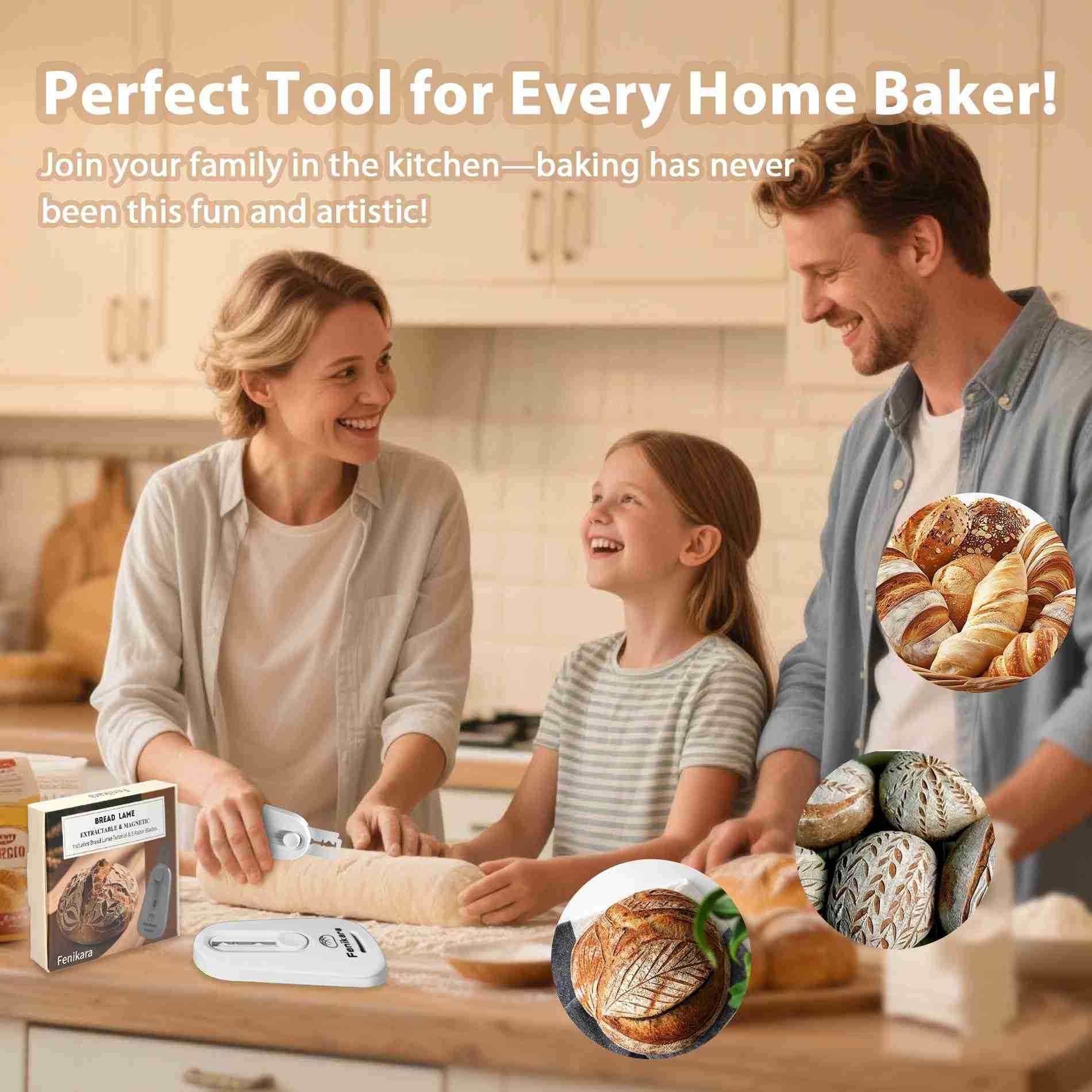
A bread lame knife has a thinner blade, which makes cleaner cuts.
Cleaner cuts are more likely to open properly.
A knife can work, but it may:
- drag the dough
- create uneven cuts
- reduce scoring effectiveness
That’s why many bakers prefer a bread scoring lame, especially for sourdough.
How to Tell If Your Scoring Is Correct
Here’s what to look for after baking:
- the cut opens clearly
- the loaf expands in a controlled way
- no random cracks on the sides
- the crust forms a clean line
If you see these signs, your scoring is working.
Quick Checklist Before You Bake
Before putting your bread in the oven, check this:
- dough is properly proofed
- blade is sharp
- cut is deep enough
- scoring is quick and clean
- oven is fully preheated
- steam is ready
Fixing even one of these can improve your results.
Small Adjustments That Make a Big Difference
Sometimes, small changes can solve the problem.
Try adjusting:
- scoring depth
- cutting speed
- proofing time
- oven setup
Don’t change everything at once—test one thing at a time.
Final Thoughts
If your bread score didn’t open, it’s usually not a big mistake—it’s just a small detail that needs adjusting.
Most issues come from:
- shallow cuts
- overproofed dough
- dull blades
- poor oven conditions
Once you understand these factors, scoring becomes much easier and more predictable.
With a bit of practice, you’ll start seeing your cuts open cleanly and your bread develop that classic artisan look.