Introduction
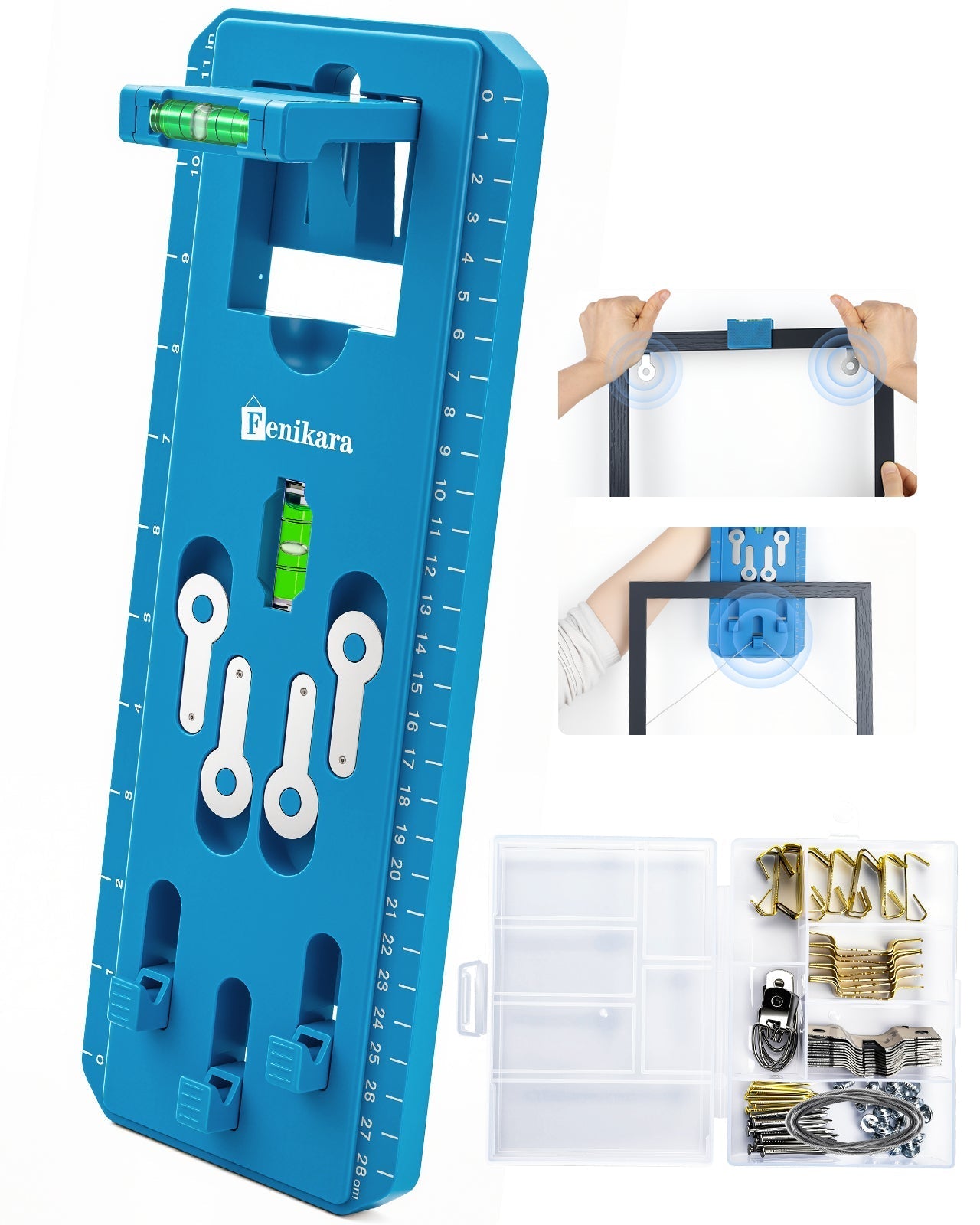
If you want a straight answer: the best picture hanging kit in 2026 is one that helps you position, mark, and hang in one go—without guesswork or repeated holes.
More homeowners are moving away from basic tools or command strips and choosing full kits instead. The reason is simple: they save time, reduce wall damage, and make alignment much easier.
Here’s how different options compare—and what actually matters before you choose one.
Top Picture Hanging Kit Options (Quick Comparison)
| Type | Best Use | Accuracy | Wall Impact | Ease of Use |
|---|---|---|---|---|
| All-in-one picture hanging kit | Frames, gallery walls | Very high | Low | Very easy |
| Command strips picture hanging | Lightweight decor | Medium | None | Easy |
| Hang hero-style tools | Quick installs | Medium-high | Medium | Easy |
| Nails + level (traditional) | Basic DIY | Medium | High | Moderate |
One thing worth noting:
Search data shows that “picture hanging kit” consistently brings higher conversion than broader terms like “wall decor” or “wall art.” That usually means buyers are closer to making a decision.
Why More People Are Using Picture Hanging Kits
More consistent alignment
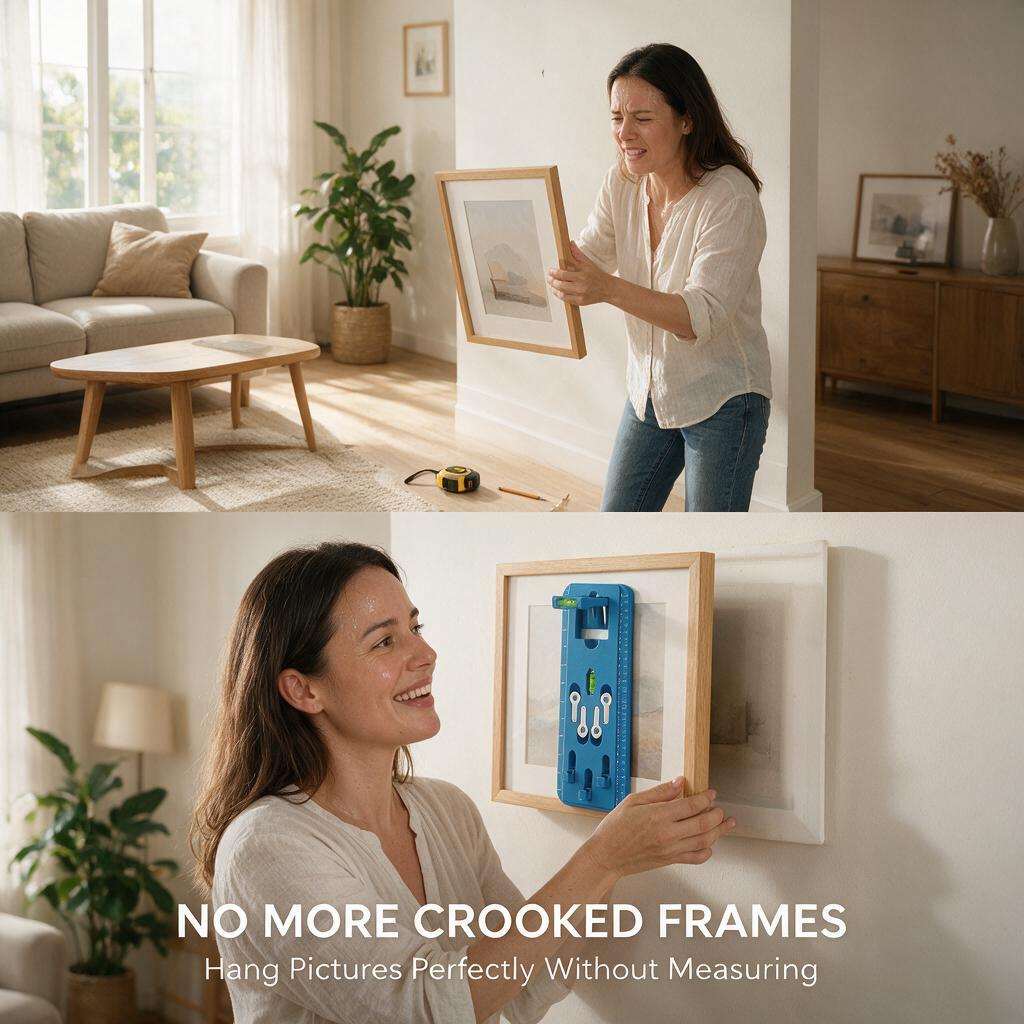
Trying to “eyeball” frame placement rarely works out. Even a small tilt becomes obvious once it’s on the wall.
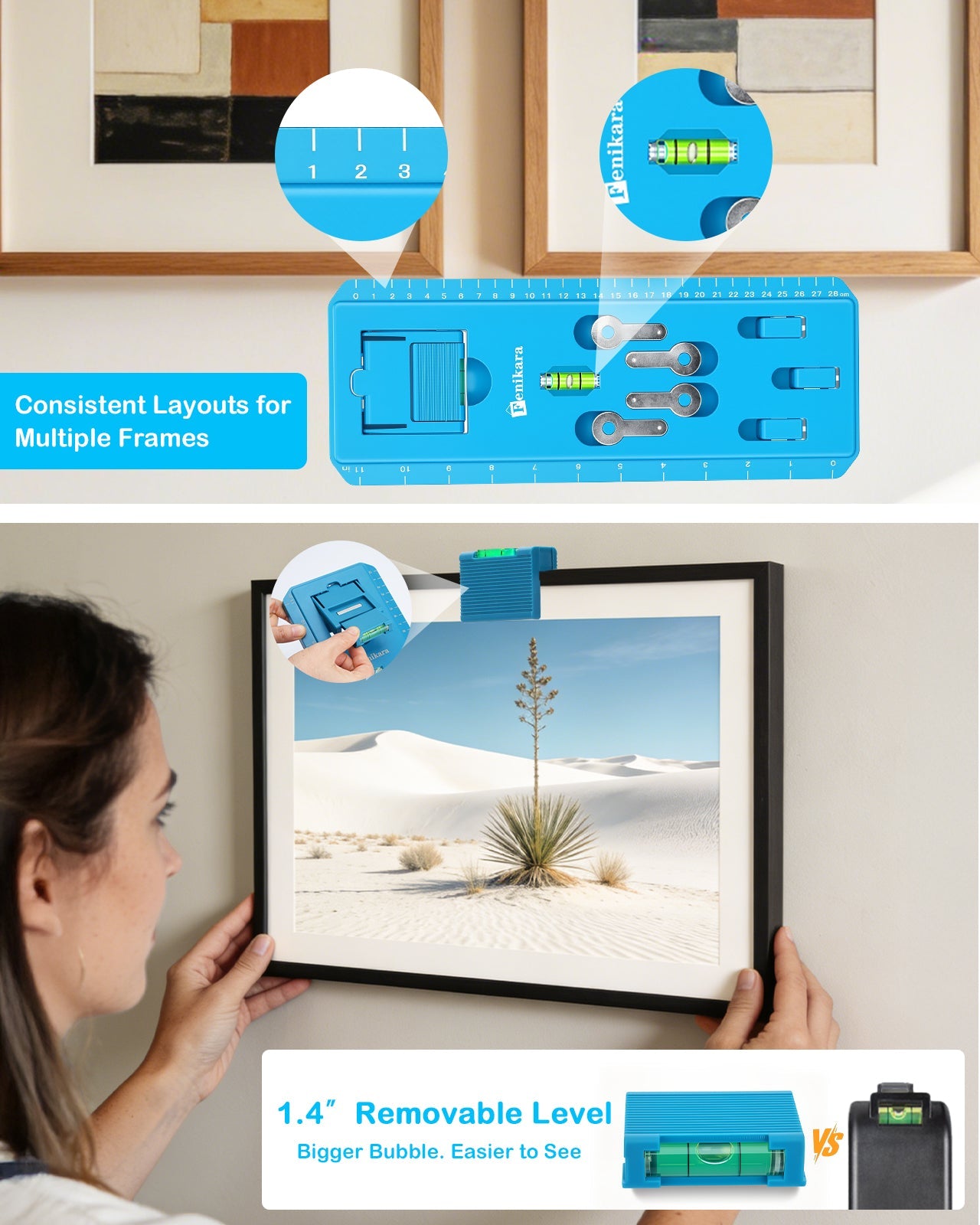
A proper kit removes that uncertainty by letting you mark exact points before you commit.
Less time per frame
Most people underestimate how long hanging a single frame takes.
- Traditional method: measure → mark → adjust → re-mark
- With a kit: position → press → hang
In real use, that often cuts the time by more than half.
Fewer unnecessary holes
One of the biggest frustrations is having to redo placements.
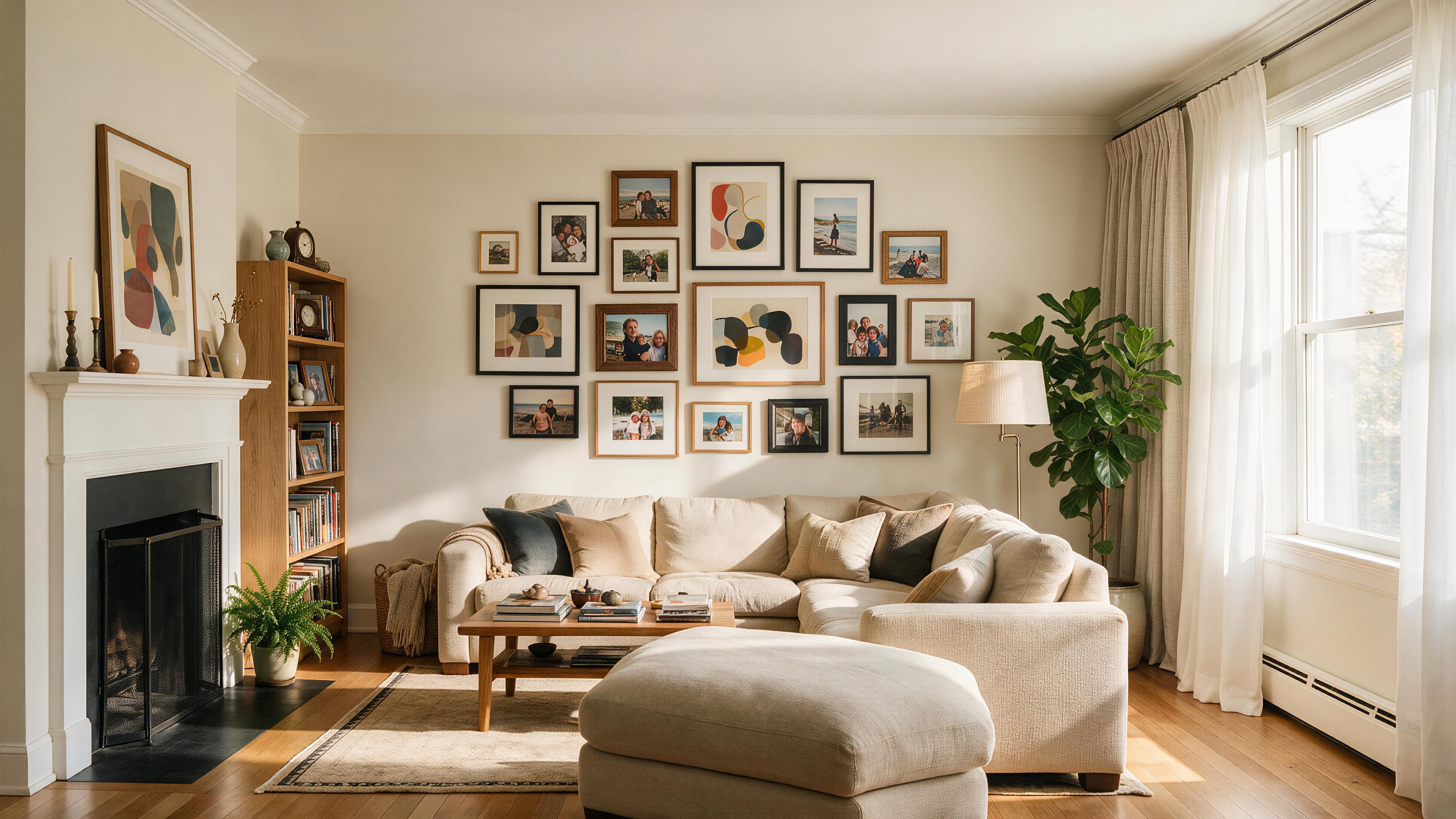
Each adjustment usually means another hole. Over time, that adds up—especially if you're working on a full wall art layout.
A positioning-based tool helps you get it right the first time.
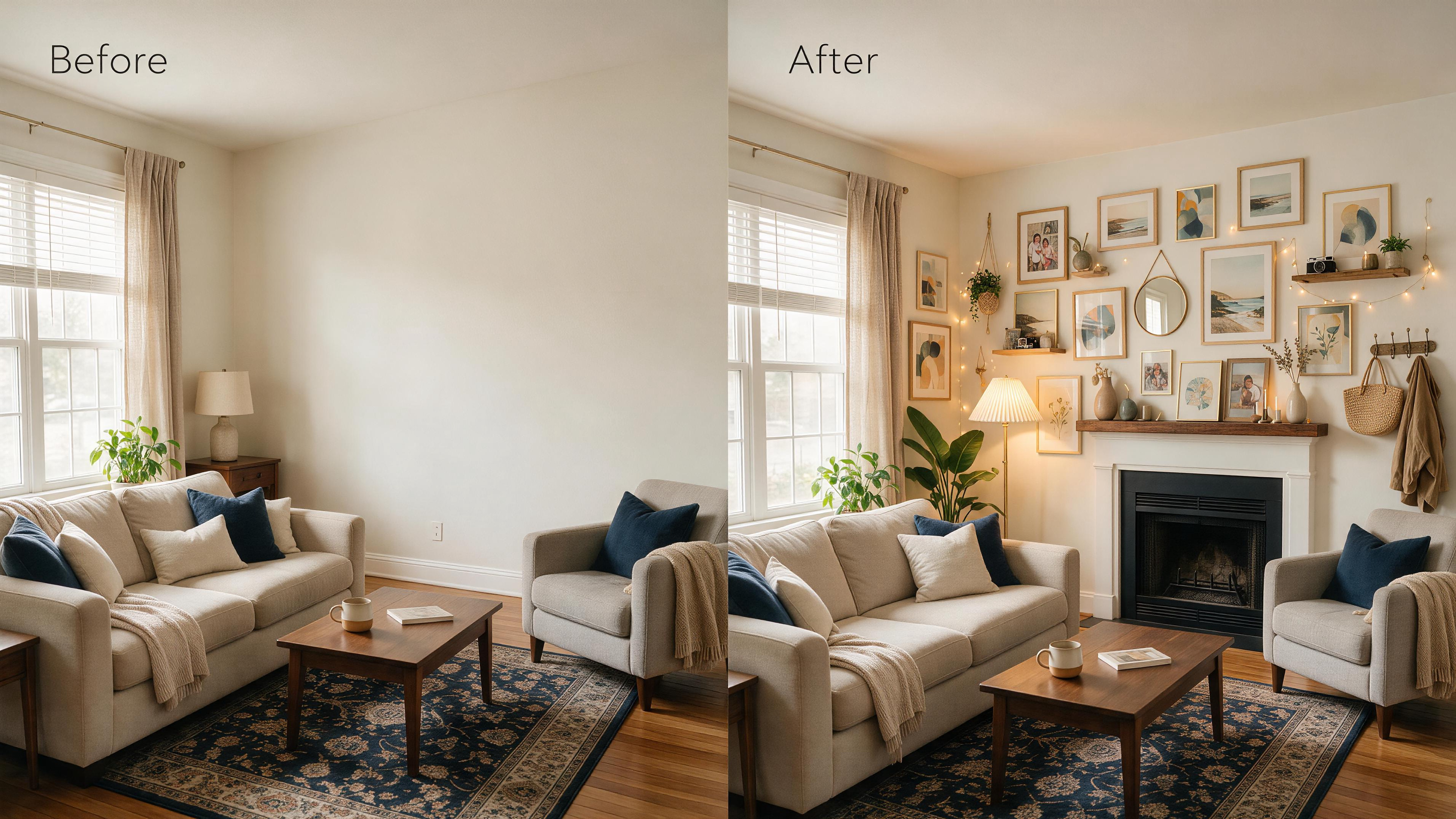
Better for different wall decor setups
Whether you're hanging:
- framed photos
- canvas wall art
- decorative pieces
- mirrors
A good picture hanging kit adapts to different setups without needing extra tools.
What Actually Matters When Choosing a Kit
Positioning accuracy
This is the biggest difference between products.
Look for something that lets you transfer the hanging point directly to the wall instead of measuring manually.
Wall compatibility
Not all setups are the same.
- Drywall: works with most kits
- Wood: usually no issue
- Concrete: may require anchors
Make sure the kit fits your environment.
Ease of use
If it takes too many steps, people won’t use it correctly.
The best tools are simple enough that you don’t need instructions after the first try.
Versatility
Some tools only solve one problem.
A complete picture hanging kit should help with:
- positioning
- marking
- hanging
Otherwise, you end up switching between tools anyway.
Common Mistakes People Make
- Trying to align frames visually instead of measuring or marking
- Using command strips for items that are too heavy
- Measuring each frame separately (leads to uneven spacing)
- Not considering weight distribution
- Skipping proper tools entirely
Most of these mistakes come down to one thing: lack of precision during setup.
FAQ
What is the best picture hanging kit for beginners?
A kit that combines positioning and marking in one step is usually the easiest to use and reduces errors.
Are command strips better than nails?
They work well for lightweight items, but for heavier wall art, nails or hooks provide better long-term stability.
How do people get perfectly straight gallery walls?
They don’t rely on guesswork. Most use positioning tools to keep spacing and alignment consistent.
Can one kit work on all wall types?
Most work on drywall and wood. Hard surfaces like concrete may need additional hardware.
Is a picture hanging kit worth buying?
If you're hanging more than one frame, it usually saves time and avoids repeated adjustments.
Final Thoughts
If you care about clean alignment and saving time, a proper picture hanging kit is simply more reliable than traditional methods or temporary solutions.
It’s not just about hanging one frame—it’s about getting the whole wall right the first time.