What Is the Best Bread Lame for Sourdough and Why It Matters
If you bake sourdough, the best bread lame for sourdough helps you score dough cleanly, guiding how the loaf expands in the oven. A quality bread lame knife creates confident, sharp cuts that improve oven spring, strengthen crust texture, and prevent random cracks. This guide walks through what makes a top bread lame for sourdough and how to choose the right one based on design, blades, and scoring style.
Why a Bread Lame Matters for Sourdough
Sourdough bread has a strong gluten network and a high hydration dough, which means it expands aggressively when exposed to oven heat. If you don’t score it properly, the loaf can:
-
Burst unpredictably in weak spots
-
Have flat or misshapen tops
-
Form uneven crust
-
Lack a clean texture
A bread scoring lame helps direct how the loaf opens, giving you control over rise and crust characteristics. This matters more in sourdough than in denser breads because of the internal steam pressure and fermentation.
What to Look for in the Best Bread Lame for Sourdough
Choosing the right bread lame for sourdough is more than picking a tool that’s “sharp.” Here are the main features that make a bread lame stand out.
Blade Quality and Replaceability
High-quality razor blades make a huge difference. The best bread lame blades should be:
-
Thin and ultra-sharp
-
Easy to replace
-
Aligned securely without wobble
Blade sharpness determines how clean your scoring cut will be, which directly affects oven spring.
Comfort and Handle Design
The handle should feel good in your hand, especially during multiple scoring passes. Look for:
-
Balanced weight
-
Non-slip grip
-
Comfortable angle for controlled cuts
A lame that feels awkward can make scoring uneven or rushed.
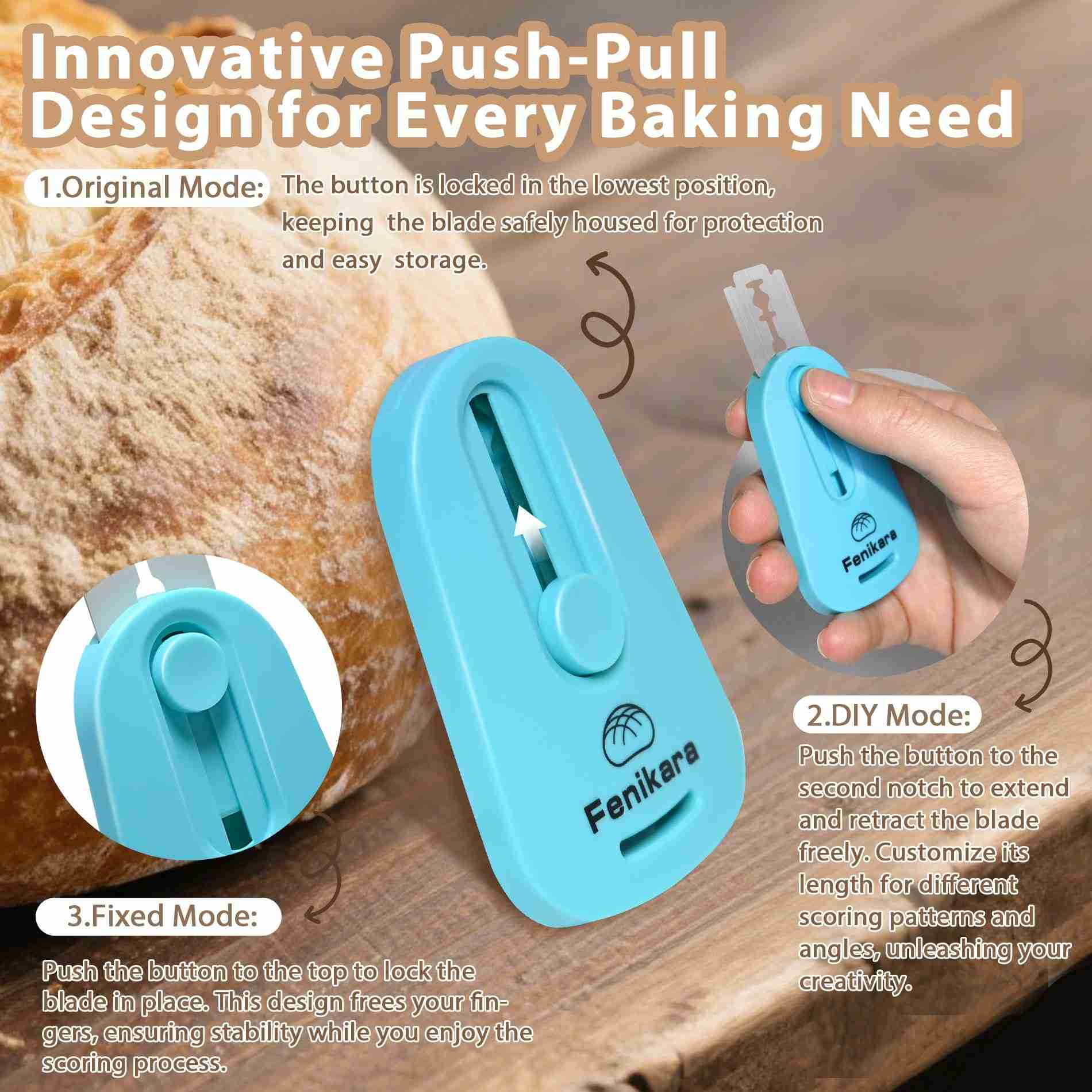
Secure Blade Attachment
There are different ways to attach a blade:
-
Screw-based holders
-
Bent-wire holders
-
Magnetic blade systems
Secure attachment prevents the blade from shifting mid-cut and improves confidence and safety.
Types of Bread Lames to Consider
Bread lames come in several designs, and each has its strengths when scoring sourdough.
Straight Bread Lame
A straight bread lame holds the blade flat. It’s great for:
-
Simple, straight cuts
-
Beginners or everyday baking
-
Clean, efficient scoring
This design gives consistent results with fewer moving parts.
Curved Bread Lame
Curved lames are popular with sourdough bakers who like to create “ears” — the lifted, crispy edge around the main cut.
Curved designs help:
-
Guide the blade at an angle
-
Enhance ear formation
-
Give a classic artisan look
It can take slightly more practice, but results are often more expressive.
Magnetic Bread Lame Systems
Magnetic lames use a magnetic holder to secure the blade. This makes:
-
Blade replacement fast
-
Alignment easier
-
Less hardware to adjust
Magnetic systems are especially helpful if you score frequently and switch blades often.
Bread Lame Blades: What Works Best
The blade is the heart of your scoring tool. Different blade shapes and brands perform differently.
Standard Razor Blades
-
Widely available
-
Ultra-thin and sharp
-
Good balance between performance and cost
Standard blades are reliable for everyday scoring.
Curved and Specialty Blades
Some bread lames use curved or branded blades designed for specific scoring shapes.
These can be useful when you’re creating:
-
Detailed artistic designs
-
Complex patterns
-
Multi-cut aesthetics
However, even a basic razor blade mounted correctly can outperform poorly made specialty blades.
How to Use Your Bread Lame on Sourdough
A great bread lame is only as good as how you use it. Here’s a step-by-step guide:
1. Chill the Dough
Cold dough is firmer and easier to score. Many bakers score straight from the fridge.
2. Hold the Lame at the Right Angle
-
90° angle → standard expansion
-
30–45° angle → ear formation
Angle affects how the crust opens during baking.
3. One Firm Motion
Quick, confident slashes beat slow or repeated cuts. Hesitation drags the dough.
4. Aim for the Right Depth
Cuts should be about ¼ to ½ inch deep:
-
Too shallow? The cut won’t open
-
Too deep? The loaf may sag
This applies whether you’re making traditional single cuts or decorative patterns.
Common Bread Scoring Patterns for Sourdough
Once you know basic scoring, you can play with pattern styles that affect both form and function.
Classic Single Slash
Ideal for everyday loaves. One clean cut along the length helps guide expansion.
Cross Pattern
Offers controlled dual-direction rise and is easy for beginners.
Simple Artistic Shapes
Once you’re confident with basics, try:
-
Leaf designs
-
Chevron lines
-
Wheat stalk patterns
These require a bit more planning but let you express personality in your bread.
Frequently Asked Bread Lame Questions
What Is a Bread Lame Used For?
It controls where the dough expands in the oven, improves oven spring, and prevents random crust cracking.
How Do You Put a Blade on a Bread Lame?
Depending on the design, you either screw it in, bend the wire holder, or click it into a magnetic system.
How Do You Score Sourdough Without a Lame?
You can use a very sharp knife, razor, or even scissors, but results are often less clean and harder to control.
How to Pronounce Bread Lame?
It’s pronounced “bread lahm”, not “laym.”
Bread Lame Maintenance Tips
Keeping your bread lame in good condition ensures clean scoring every time:
-
Dry after use
-
Store blades safely
-
Replace blades often
-
Keep handle clean and balanced
A well-maintained tool feels more consistent and lasts longer.
Final Thoughts on the Best Bread Lame for Sourdough
The best bread lame for sourdough combines sharp blades, confident handling, and a design that fits your scoring style.
For some, a simple straight lame is perfect. For others, a curved or magnetic bread scoring lame offers more control and creative potential.
Either way, mastering your bread lame makes scoring less intimidating and gives your sourdough that classic artisan look you’re aiming for.