What Is a Bread Lame and Do You Really Need One?
A bread lame is a razor tool used to score dough before baking. It helps bread expand properly in the oven, improves oven spring, and creates those beautiful crust patterns you see on artisan loaves. If you bake sourdough regularly, using a bread lame makes scoring easier, cleaner, and more consistent than using a regular knife.
Now let’s break it down in simple terms.
What Is a Bread Lame?
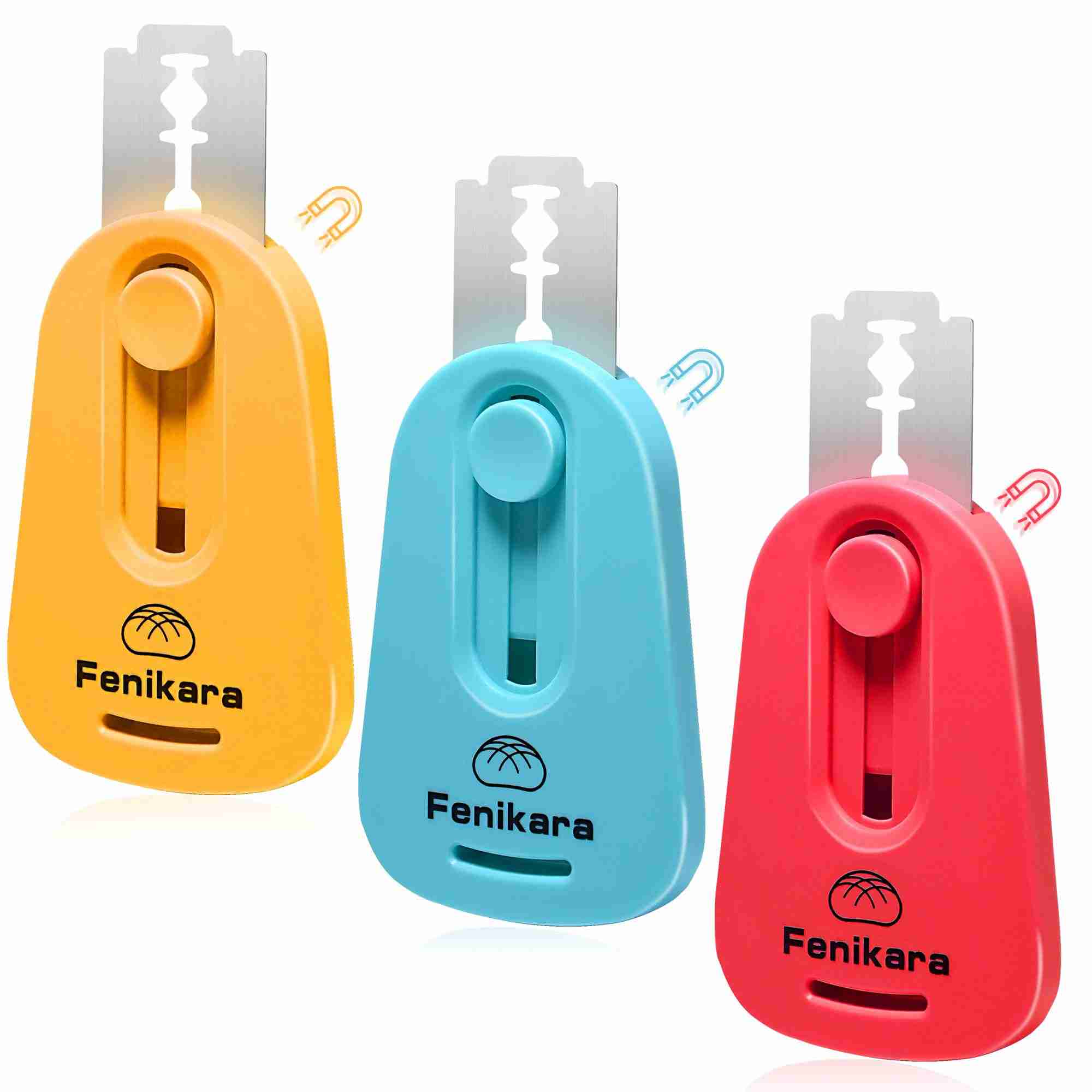
A bread lame is a small handheld tool designed to hold a razor blade. Bakers use it to cut the surface of dough just before putting it into the oven.
The word “lame” comes from French baking tradition and is pronounced lahm.
You might also hear it called:
-
bread scoring lame
-
lame for scoring bread
-
bread lame knife
-
sourdough bread lame
-
bread lame tool
They all refer to the same basic idea — a tool designed specifically for scoring bread dough.
What Is a Bread Lame Used For?
At first glance, scoring may seem decorative. But it’s actually functional.
When dough hits a hot oven, steam builds inside. If the surface isn’t scored, the pressure will force the crust to crack at random weak spots.
A bread lame solves this by:
-
Creating a controlled expansion point
-
Improving oven spring
-
Helping shape the loaf
-
Enhancing crust texture
-
Adding intentional design
Without scoring, even well-fermented dough can bake unevenly.
Why Sourdough Especially Needs Proper Scoring
Sourdough dough has strong gluten development and often higher hydration. That means:
-
It expands aggressively in the oven
-
It builds strong internal pressure
-
It needs guidance when rising
Using a sourdough bread lame allows you to direct that expansion instead of letting it split unpredictably.
This is why scoring is considered essential in sourdough baking.
How to Use a Bread Lame (Beginner-Friendly Guide)
If you’re new to scoring, don’t overthink it. The process is simple.
1. Score Cold Dough
Cold dough is easier to cut cleanly. Many bakers refrigerate sourdough before baking specifically for better scoring results.
2. Choose the Right Angle
-
90° angle → classic expansion cut
-
30–45° angle → creates a sourdough “ear”
The angle affects how the crust lifts.
3. Make One Clean, Confident Slash
Avoid slow sawing motions. Instead:
-
Move quickly
-
Keep pressure light
-
Let the razor glide
Confidence matters more than force.
4. Cut the Right Depth
About ¼ to ½ inch deep works for most loaves.
Too shallow? The cut seals.
Too deep? The structure weakens.
How to Score Sourdough Bread With a Lame
When scoring sourdough, less is often more.
For Basic Loaves:
-
One long cut across the top
-
Slight angle for ear formation
-
Deep enough to open
For Decorative Loaves:
-
One main structural cut
-
Additional shallow decorative lines
Always remember: decorative cuts should not replace the main expansion slash.
Bread Lame vs Regular Knife
Many home bakers ask if they really need a bread lame knife.
Here’s the practical difference.
A Regular Knife
-
Thicker blade
-
Can drag sticky dough
-
Harder to control depth
-
Less precise
A Bread Lame
-
Ultra-thin razor blade
-
Minimal drag
-
Cleaner edges
-
More consistent results
Especially with high-hydration sourdough, a proper bread lame makes scoring noticeably easier.
How to Attach a Blade to a Bread Lame
Handling razor blades can feel intimidating at first, but it’s manageable with care.
Most bread lames work in one of three ways:
Screw-Type Lame
-
Unscrew handle
-
Insert blade
-
Tighten securely
Bent-Wire Style
-
Carefully bend blade onto holder
-
Align it evenly
Magnetic Lame
-
Blade attaches via magnet
-
Simple alignment
Always hold the blade by the dull edges and avoid touching the sharp side.
Common Bread Scoring Mistakes
If your scoring isn’t opening properly, it’s usually one of these issues:
Overproofed Dough
The dough lacks tension and won’t spring well.
Underproofed Dough
The dough expands too aggressively and may tear.
Dull Blade
Razor blades lose sharpness quickly. Replace them often.
Hesitant Cuts
Scoring requires a quick, fluid motion.
Most beginners improve dramatically just by cutting more confidently.
Can You Score Bread Without a Bread Lame?
Yes, but with limitations.
Possible alternatives include:
-
Sharp paring knife
-
Straight razor blade
-
Sharp scissors
However, these options may:
-
Drag soft dough
-
Create uneven cuts
-
Be harder to control
A proper bread lame simply makes the process smoother.
Straight vs Curved Bread Lame
Different blade shapes produce slightly different results.
Straight Lame
-
Cleaner, direct cuts
-
Good for beginners
-
Easy control
Curved Lame
-
Better for creating ears
-
Slightly more advanced
-
Allows angled scoring
Neither is “better” universally. It depends on your scoring style.
How to Improve Your Bread Scoring Over Time
Like shaping dough, scoring improves with repetition.
Here are a few practical tips:
-
Practice on inexpensive dough
-
Study how your loaf opens in the oven
-
Adjust depth and angle gradually
-
Keep blades sharp
-
Don’t rush
Over time, you’ll start to predict how your cuts will open.
That’s when scoring becomes intuitive rather than stressful.
Final Thoughts: Keep It Simple
A bread lame is a small tool, but it plays a big role in bread baking. It gives you control over expansion, improves crust formation, and helps you achieve that artisan look many bakers aim for.
But remember — perfect scoring doesn’t happen overnight.
Start simple. Make one confident cut. Bake. Observe. Adjust.
Bread baking is a process of small improvements, and mastering the bread lame is one of them.