When Should You Score Bread?
You should score bread right before baking, after the dough has finished proofing. Scoring at this stage ensures the cuts stay open and guide the bread’s expansion in the oven.
Why Timing Matters When Scoring Bread
Timing directly affects how your bread rises.
If you score at the wrong time:
- cuts may close up
- the dough may collapse
- the bread may crack randomly
Correct timing helps the bread expand in a controlled way.
What Happens If You Score Too Early?
Scoring too early can ruin your results.
Problems you may see:
- the cuts disappear during proofing
- dough loses surface tension
- bread rises unevenly
👉 Always avoid scoring before the final rise is complete.
What Happens If You Score Too Late?
Scoring too late can also cause issues.
If the dough is already in the oven:
- the crust may start forming
- cuts won’t open properly
- pressure builds inside
👉 This leads to random cracks instead of clean expansion.
How to Know When Your Dough Is Ready to Score
The best time to score is when your dough is fully proofed but still has strength.
Use the Finger Test:
- press the dough lightly
- if it springs back slowly → ready
- if it collapses → overproofed
- if it bounces back quickly → not ready
This simple test helps you time scoring correctly.
Should You Score Cold Dough or Room Temperature Dough?
Both can work, but cold dough is easier to score.
Cold dough:
- holds shape better
- easier to cut cleanly
Room temperature dough:
- softer
- may stick more
👉 Many bakers prefer scoring cold dough for better control.
Does Scoring Time Affect Oven Spring?
Yes.
Oven spring depends on:
- proper proofing
- correct scoring timing
If you score at the right moment:
- the bread rises more
- cuts open cleanly
- shape improves
What Tool Should You Use at the Right Time?
A sharp blade is essential.
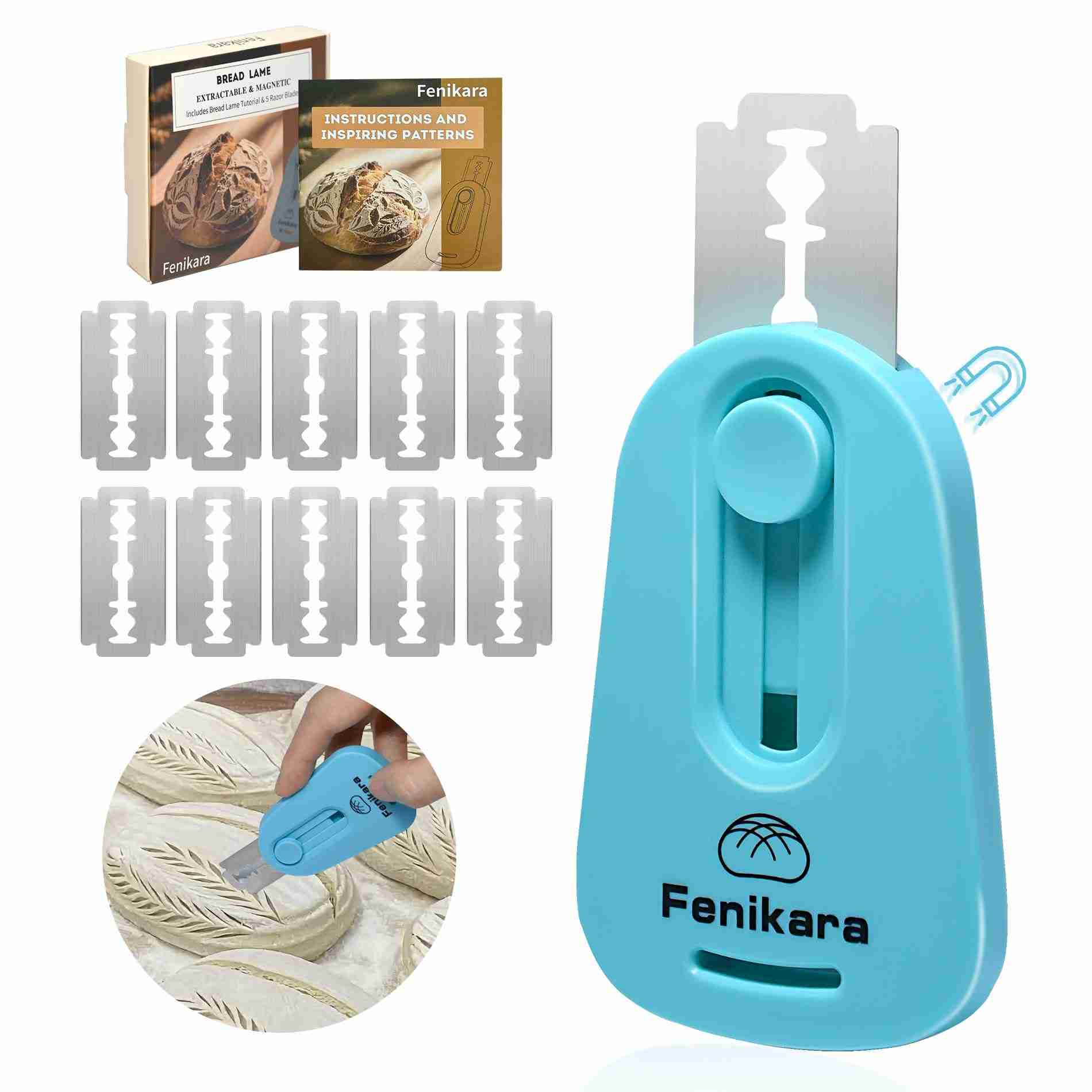
Most bakers use a bread lame because:
- it creates clean cuts
- it reduces dragging
- it works well on soft dough
You can also use a knife, but control is more difficult.
Step-by-Step Timing Guide
Step 1: Finish Final Proof
Wait until the dough has risen properly.
Step 2: Preheat Oven Fully
Make sure your oven is ready before scoring.
Step 3: Score Immediately Before Baking
Do not wait after scoring.
Step 4: Transfer to Oven Quickly
This keeps the cuts open and effective.
Common Timing Mistakes
- scoring before proofing is complete
- waiting too long after scoring
- baking without scoring
- overproofing the dough
Avoiding these mistakes improves your bread quickly.
Quick Answer (For Google Snippet)
You should score bread right before baking, after the dough has fully proofed. This ensures the cuts stay open and help control how the bread expands in the oven.
Final Thoughts
Scoring bread isn’t just about how—it’s about when.
The best results come from:
- proper proofing
- correct timing
- quick transfer to the oven
Get the timing right, and your bread will rise better and look more professional.