How to Use a Bread Lame
To use a bread lame, hold the razor blade at a slight angle and make a quick, clean cut across the surface of the dough right before baking. The cut allows the bread to expand properly in the oven and prevents the crust from cracking randomly. A sharp bread scoring lame helps create controlled oven spring and gives artisan bread its signature look.
While the technique may seem simple, a few small details can make a big difference in how your bread turns out.
What Is a Bread Lame?
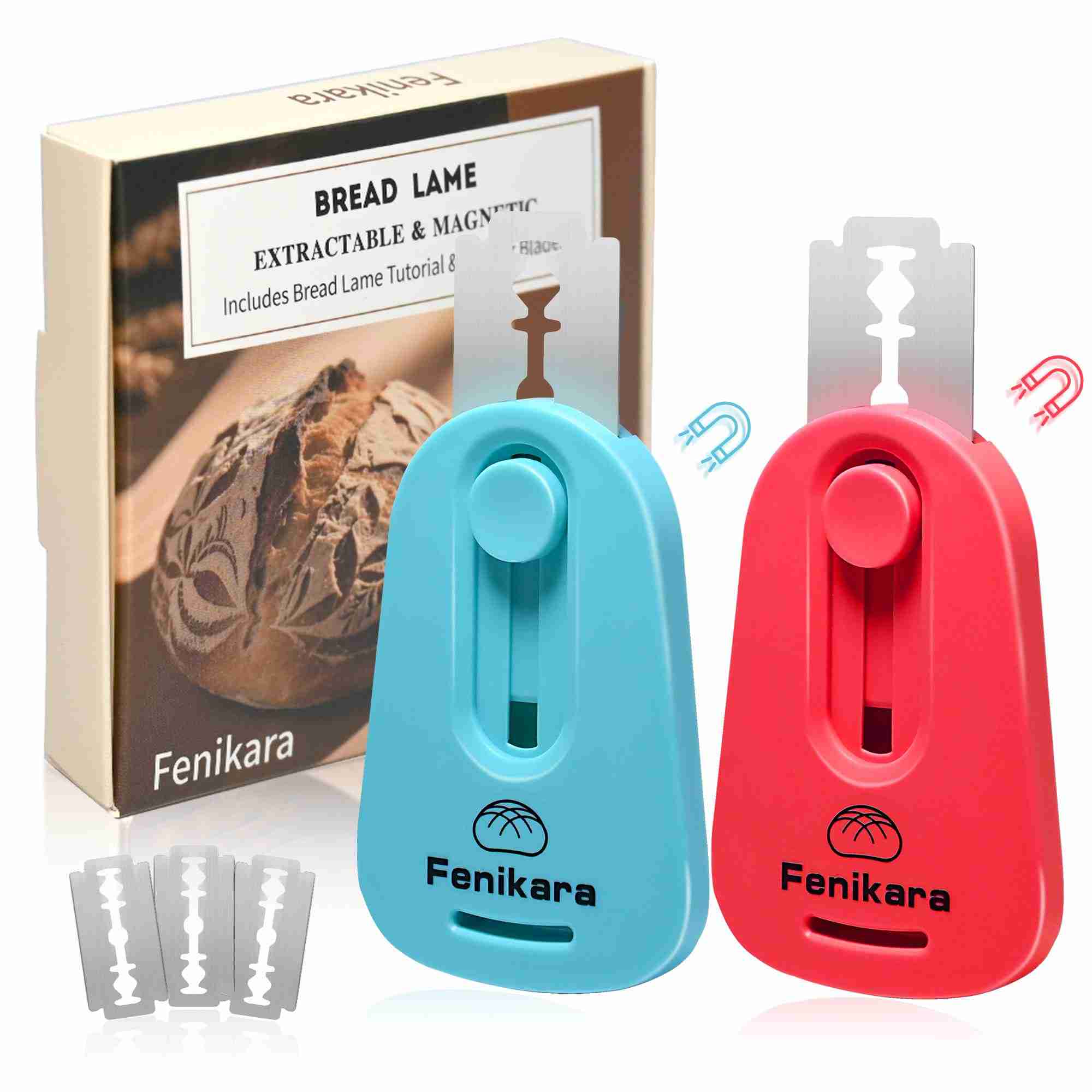
A bread lame is a small tool that holds a razor blade and is used to score bread dough before baking. Bakers use it to create shallow cuts in the dough so the loaf can expand in a controlled way during baking.
The word “lame” comes from French baking traditions and is pronounced “lahm.”
You might also hear it called:
-
bread scoring lame
-
bread lame knife
-
sourdough bread lame
-
lame bread tool
-
bread scoring tool
Although the tool is simple, it plays an important role in shaping the final appearance of bread.
Why Scoring Bread Is Important
Before learning how to use a bread lame, it helps to understand why scoring matters.
When bread dough enters a hot oven, heat causes the gases inside the dough to expand quickly. This rapid expansion creates pressure against the dough’s surface.
If the dough is not scored, the crust may split unpredictably.
Proper scoring helps:
-
control where the bread expands
-
improve oven spring
-
prevent random cracks
-
shape the final loaf
-
create decorative patterns
For breads like sourdough, scoring is especially important because the dough tends to expand strongly during baking.
When to Score Bread Dough
Timing is important when using a bread lame knife.
Scoring should always happen right before the dough goes into the oven.
Many bakers prefer scoring dough that has been chilled in the refrigerator because cold dough:
-
is firmer
-
holds its shape better
-
cuts more cleanly
Scoring warm or sticky dough can sometimes cause the blade to drag across the surface.
Step-by-Step: How to Use a Bread Lame
Using a bread lame becomes easier with practice. Here is a simple step-by-step approach for beginners.
Step 1: Prepare the Dough
Before scoring, make sure your dough has been shaped and proofed properly. The surface should have good tension so the cut can open during baking.
If the dough is too soft or overproofed, scoring results may not be as clean.
Step 2: Hold the Bread Lame Correctly
Grip the handle comfortably and keep your wrist relaxed. You want the blade to move smoothly across the dough.
Most bakers hold the lame like a pen or small knife.
Control is more important than force.
Step 3: Choose the Right Angle
The angle of the blade affects how the bread opens.
Common angles include:
Straight cut (90 degrees)
This creates a direct opening in the crust.
Angled cut (30–45 degrees)
This helps create a raised crust edge known as a sourdough ear.
Both techniques are useful depending on the style of bread you want.
Step 4: Make a Quick, Confident Cut
One of the biggest mistakes beginners make is cutting too slowly.
Instead:
-
move the blade quickly
-
use light pressure
-
avoid sawing motions
A fast, clean slash produces the best scoring results.
Step 5: Cut to the Correct Depth
Most scoring cuts should be about ¼ to ½ inch deep.
If the cut is too shallow, it may close during baking.
If the cut is too deep, the loaf may lose structure.
Finding the right depth becomes easier with practice.
How to Score Sourdough Bread With a Lame
Sourdough bread often requires slightly different scoring techniques because of its strong fermentation and high hydration.
Here are a few tips for scoring sourdough.
Use One Main Expansion Cut
Most sourdough loaves benefit from a single main cut that allows the bread to open naturally in the oven.
This cut is usually placed along the top of the loaf.
Keep Decorative Cuts Shallow
If you add decorative scoring patterns, keep them shallow so they don’t interfere with the main expansion cut.
Many bakers combine:
-
one deeper structural cut
-
several shallow decorative lines
Score Cold Dough
Cold dough holds its shape better and is easier to cut cleanly with a sourdough bread lame.
This is why many sourdough recipes include overnight refrigeration before baking.
Common Bread Scoring Patterns
Once you feel comfortable using a bread lame, you can experiment with different scoring styles.
Single Slash
The most common scoring pattern. One long slash helps guide oven spring and works well for many breads.
Cross Pattern
Two intersecting cuts create a simple and balanced design.
This pattern is beginner-friendly and works well with round loaves.
Decorative Patterns
More advanced bakers sometimes create decorative scoring designs such as:
-
leaf patterns
-
wheat shapes
-
geometric designs
These patterns require practice but can add a beautiful artisan touch to homemade bread.
Common Mistakes When Using a Bread Lame
Many beginners run into similar challenges when learning how to score bread.
Using a Dull Blade
A dull blade drags the dough and creates messy cuts. Razor blades should be replaced regularly.
Cutting Too Slowly
Slow cuts often tear the dough surface instead of slicing cleanly.
A quick, confident motion works much better.
Overproofed Dough
If the dough is overproofed, it may collapse or fail to open properly during baking.
Good fermentation timing is important for successful scoring.
Scoring Too Shallow
If the scoring cut is too shallow, the dough may still burst somewhere else during baking.
Making a slightly deeper cut often solves this problem.
Can You Score Bread Without a Bread Lame?
Yes, it is possible to score bread without a bread lame.
Some alternatives include:
-
a very sharp knife
-
a razor blade held by hand
-
kitchen scissors
However, these tools can be harder to control and may not produce the same clean cuts as a dedicated bread scoring lame.
For frequent sourdough baking, a bread lame usually makes the process easier.
Tips for Improving Your Bread Scoring
Scoring bread is a skill that improves over time. A few helpful tips include:
-
practice with simple scoring patterns first
-
score dough straight from the refrigerator
-
replace blades frequently
-
observe how your bread opens in the oven
With experience, you’ll learn how different cuts affect the final loaf shape.
Final Thoughts
Learning how to use a bread lame is one of the key steps in making beautiful artisan bread. This simple tool allows bakers to control oven spring, prevent random cracks, and create the signature scoring patterns seen on sourdough loaves.
Although it may take a few tries to get comfortable with the technique, scoring becomes easier with practice. Once you understand how blade angle, depth, and timing affect your bread, a bread lame can become one of the most useful tools in your baking routine.
Over time, mastering this small step can make a big difference in the look and quality of your homemade bread.